

 Back to all
The UK government’s latest proposals under the Warm Homes Plan published in January signal a major shift in energy efficiency requirements for rental properties.
EPC C by 2030
The headline change is landlords in England and Wales will need their properties to meet a Minimum Energy Efficiency Standard (‘MEES’) EPC rating of C by 1st October 2030, unless a valid exemption applies (see below). This replaces the current minimum of E. Unlike previous proposals, the 2030 deadline applies to both new and existing tenancies.
A New EPC System Is Coming: Home Energy Model
The government plans to introduce a new, tougher assessment framework (the Home Energy Model), replacing the current methodology, from 1st October 2029. This will focus on three key metrics and the property must pass on two:
- Fabric performance (insulation and heat retention) AND either:
- Heating systems (low-carbon solutions like heat pumps) OR
- Smart readiness (e.g. solar panels and smart tech)
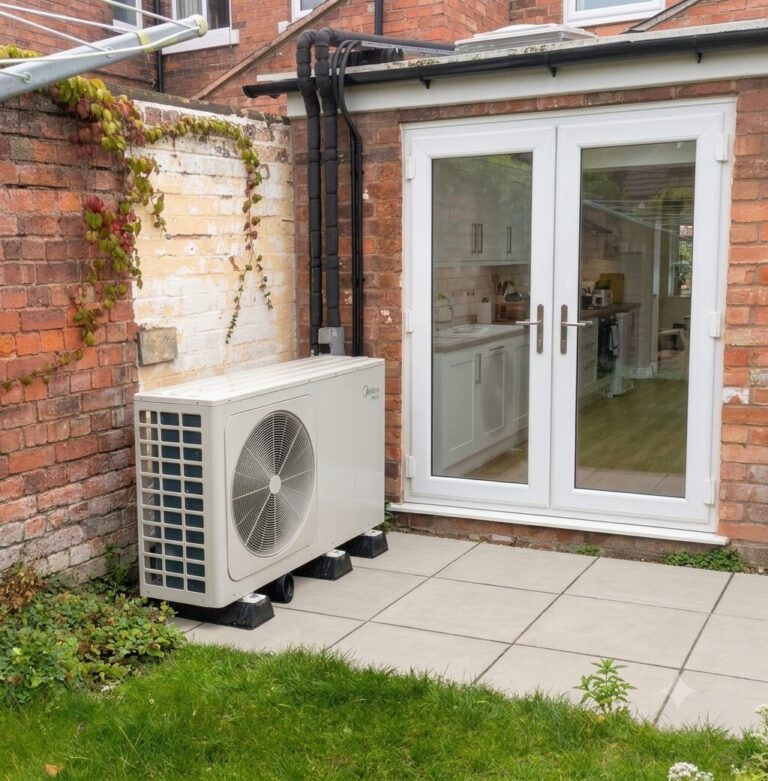
This means properties are likely to need more substantial upgrades, rather than simple improvements, to reach EPC C. For those landlords that have already been adopting low carbon technologies, the new system will favour you more so than the current methodology has been. Under the heating systems metric, a well insulated property with a modern gas boiler is very unlikely to be compliant, whereas one with a heat pump will. Under the smart readiness metric, a property with solar PV and a smart meter should reach EPC C.
Exemptions
- Cost: Maximum cost cap: £10,000 per property (or 10% of the property value if it is worth less than £100,000).
- If costs exceed the cap, landlords may qualify for an exemption—but only after demonstrating that all reasonable improvements have been made. Any money spent on upgrading your property since 1st October 2025 counts towards the £10,000 cap.
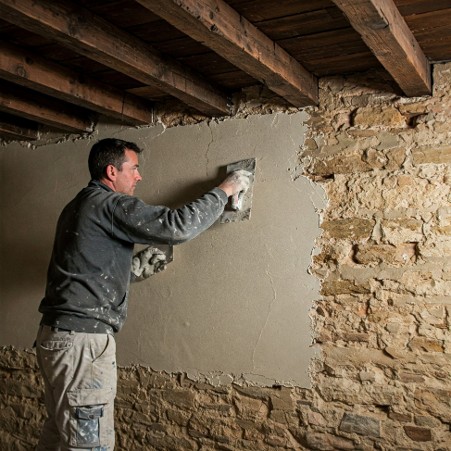
- Solid wall insulation: If the last remaining improvement available to bring the property up to EPC C is solid wall insulation, landlords may decline to do so, for a grace period of up to 10 years.
- Third party consent: if the necessary improvements require consent of a third party such as the freeholder, planning authority, or tenant, and that consent is withheld despite the best efforts of the landlord. This exemption lasts for 5 years or until the end of the tenancy, whichever is sooner.
- All relevant improvements made: no further possible improvements can be made but the property is still below EPC C.
- Negative impacts: This exemption applies to heritage properties but only where suitable evidence is supplied.
Key Transitional Rules
Existing EPCs remain valid for their normal 10-year lifespan. This creates a window for landlords to renew EPCs before the new stricter rules apply.
What Landlords Should Do Now
While the 2030 deadline may seem distant, the combination of stricter assessment criteria, rising costs, and limited contractor capacity means landlords who act early will be in a far stronger position.
This isn’t just a compliance update—it’s a fundamental shift in how rental property energy performance is measured and enforced.
How We Can Help You
Are you wondering how to get your property to EPC C as cost-effectively as possible? Marches Energy Advice can give you the support and advice you need:
- Qualified and experienced retrofit assessors and DEAs
- 1-2 hour survey to analyse the thermal performance of your property
- Brief written report advising you which energy efficiency measures are best suited for your property
- Estimates on how many SAP points a measure, or combination of measures, provide – helping you reach your target of EPC C or beyond
- Cost estimates for the works required
- Recommendations of who to get to do the work
We will use the current EPC methodology ‘RdSAP’ to calculate what measures will be least expensive, least disruptive and most straightforward to give the necessary increase to your property’s EPC score. This will give you all the information you need to plan, budget for and carry out the works required in good time for you to have your property reassessed before 1st October 2029 when the new, tougher ‘Home Energy Model’ methodology comes in. Delaying could cost your thousands, so get in touch today.
Thanks to funding from the Energy Industry Voluntary Redress Scheme Our landlord EPC advice survey costs just £250 + VAT – and discounts are available for multiple properties assessed in the same location.