

 Back to all

In rural counties like Herefordshire, Shropshire and Derbyshire many householders are dependent on oil or LPG for their heating and hot water. This means they’re particularly exposed to sudden price hikes – as are happening right now due to the conflict in the Gulf. The industry which supplies these fuels for domestic heating is currently unregulated. The Government is discussing plans for crisis support, but what can you do in the meantime? Read on for tips on how to get the best out of your boiler, simple ways you can insulate your home to keep the heat in, and alternative heating systems you might consider.
Regular servicing by a qualified engineer
Have your boiler serviced every year by an OFTEC registered engineer, this should cost you in the region of £60-80. During a service, the boiler and burner will be cleaned and the burner combustion will be reset to allow the boiler to continue operating as efficiently as possible. The service will also involve checking both the boiler and flue system components and replacing as necessary consumable parts, such as the flexible fuel hose.
Keep your oil tank well topped up with good quality heating oil
If you run out of oil you may need to bleed air from your oil line and/ or get your boiler re-ignited. Good quality oil burns more cleanly, meaning it leaves less soot and residue behind inside the boiler. A cleaner system runs more efficiently and also needs fewer repairs and less frequent servicing. Poor-quality oil can contain higher levels of impurities such as water, sludge, or sediment. These substances can clog filters, damage the fuel pump, and cause the boiler to work harder than necessary to heat your home. Don’t leave buying oil until the last minute – you may get a cheaper price for the oil if you ring around 2-3 weeks in advance. Also local buying clubs can be a really good way to save money.
Bleed your radiators and check the pressure
Over time, air can become trapped inside the central heating system. When this happens, it stops the hot water from flowing properly through the radiators, leading to cold spots and poor heat distribution. If your radiators aren’t heating up evenly or feel cold at the top but warm at the bottom, it’s likely that air has built up and the radiator needs bleeding. Bleeding radiators is a simple job you can do yourself with a radiator key and a cloth. You should also routinely check the system pressure on the pressure gauge, which may be found on the boiler’s control panel. It is best to check the pressure when the system is cold and it should read at around 0.7bar for a bungalow and around 1.2 bar for a two-storey house. If the pressure is low, you can top it up using the filling link.
Fit a magnetic filter
Protect your boiler and system from corrosion. Fitting a magnetic filter in the system pipework can substantially reduce the amount of debris in circulation within your system, reducing the chance of blockages. Power flushing your system can also help.
Keep control
Set your heating controls correctly. To get the best use out of your oil boiler and heating system, use adequate, energy saving boiler controls to help you to accurately set your preferences. Correctly set heating controls will allow you to set the level of comfort that suits you, while minimising energy waste and fuel consumption.
Time to consider moving to a heat pump or storage heaters?
One of the huge appeals of a heat pump is it runs on electricity – so with a fixed tariff and better still, your own solar panels and battery storage, you’re much less vulnerable to price hikes. And on a renewable electricity tariff you can really reduce your carbon emissions.
The latest air source heat pumps are quiet, highly efficient (at least 400% against typically 80% for your oil boiler) and will usually last for a good 20 years if properly serviced.
The cost of a new heat pump is discounted by £7500 thanks to the Government grant, the Boiler Upgrade Scheme, which is available to everyone replacing a fossil fuel boiler. If you think an air-to-air heat pump (which doesn’t use radiators, it’s more like an air conditioning unit) might suit you better, that qualifies for a grant of £2500. In both cases your MCS registered installer applies for the grant for you.
A cheaper and simpler alternative may be to install High Heat Retention Storage Heaters. They work by storing heat during off-peak hours when electricity is cheap, and releasing it efficiently when the heat is needed in your home.
Top tips for keeping heat in your home
Don’t just think about energy efficiency in the winter – the spring or summer can be perfect for a bit of DIY around the house. These simple steps could save you £100s and might be available free of charge, if you are eligible, through the new Warm Homes: Local Grant
- Loft insulation should be a complete even blanket across your whole loft, at least 270mm deep. If you need to use your loft for storage, use shelves or ‘loft legs’ so you don’t crush your insulation.
- Cavity wall insulation is a great money-saver if your home has a cavity (very likely if it was built after 1930).
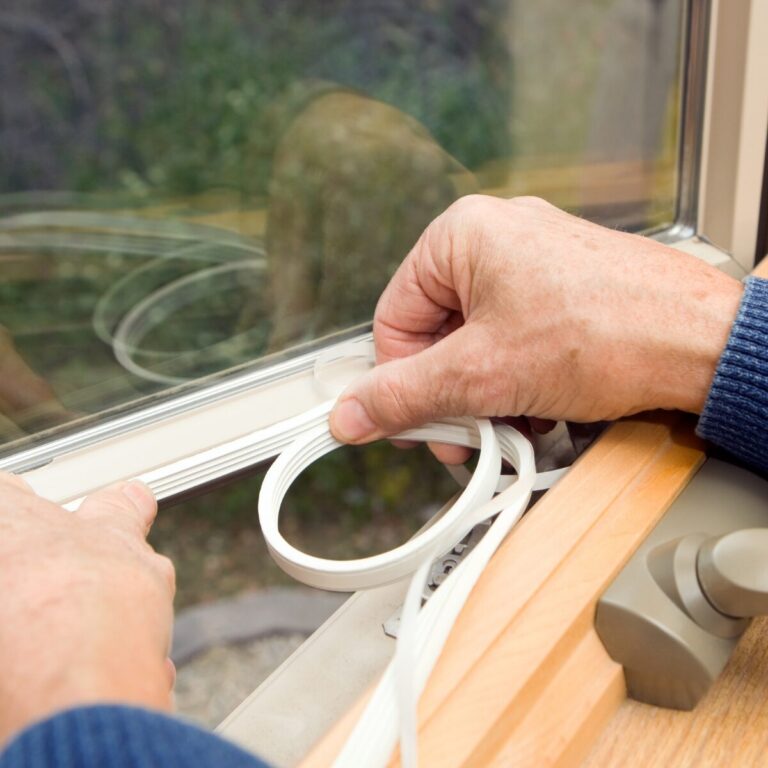
- Cold draughts can literally suck the warmth out of your house! Use foam seals around doors and windows to make sure they shut tight, and heavy curtains. Block up any open chimneys with insulation or a ‘chimney sheep’, but remember to remove in the summer to let the chimney breathe.
- Fit carpets and underlay on any suspended timber ground floors.